A late airport arrival is not the time to find out that the vehicle does not have the right seat for your child. When you request child seats with your private transfer, include the details early so the vehicle can be prepared before pickup. This is especially helpful for families arriving with luggage, tired children, and a schedule to keep.
Private transportation can make airport, hotel, train station, and port travel easier for families, but child-seat needs should never be treated as a last-minute note. Seat availability, vehicle space, and local requirements can vary by destination. A clear request gives your transportation provider the information needed to confirm the best available option.
Request Child Seats Before Your Transfer
The best time to request child seats is when you make your reservation. Do not assume a standard car will include an infant seat, toddler seat, or booster seat automatically. State how many children are traveling and the type of seat each child needs.
For the clearest request, provide your child’s age, approximate weight, and height. These details help determine whether an infant seat, convertible child safety seat, or booster is the appropriate fit. If you are not sure which category applies, share the child’s measurements and ask the provider to advise on available options.
Also include your full pickup and drop-off details. An airport pickup may involve a different vehicle plan than a hotel ride or a transfer from a cruise port. If your family has several large suitcases, strollers, car seats, or sports equipment, mention that as well. The right child seating arrangement still needs to leave enough room for everyone and their luggage.
Information to Include With Your Booking
A short, complete message avoids delays. Include the pickup date and time, flight or train information when applicable, the number of adults and children, each child’s age and size, and the number and type of seats requested. Let the provider know if you need rear-facing seating or if you plan to bring your own car seat.
It is also useful to mention any special circumstances. For example, a child who needs a harnessed seat rather than a booster, twins who each need a rear-facing seat, or a family traveling with a double stroller may require a larger vehicle. These details are practical, not extra. They help the driver arrive with a vehicle that works for the whole group.
Choosing the Right Type of Child Seat
Child seats are not one-size-fits-all. The appropriate option depends on the child’s size, age, and the rules at your pickup location. Requirements can differ between U.S. states and international destinations, so families should confirm what is required for their specific trip.
Infant seats are generally used for very young babies and are typically rear-facing. A convertible seat may support rear-facing or forward-facing travel depending on the child’s size and the seat specifications. Booster seats are intended for older children who have outgrown a harnessed car seat but are not yet ready for an adult seat belt alone.
When requesting a seat, avoid relying only on labels such as “baby seat” or “kids seat.” Those descriptions can mean different things to different providers. Saying, “One rear-facing seat for a 10-month-old, 22-pound child,” is more useful than saying, “We need a baby seat.”
Bringing Your Own Car Seat
Some families prefer to travel with their own car seat because their child already knows it or because they want a particular model. This can be a good choice, but it comes with trade-offs. You will need to carry the seat through the airport, station, or port, and you should confirm that it can be installed safely in the booked vehicle.
If you bring your own seat, tell the transportation provider before pickup. Ask whether the vehicle has the appropriate seat belt or anchoring arrangement and make sure the vehicle has room for your passengers, bags, and seat. Parents or guardians should also be prepared to install and check their own equipment unless a different arrangement has been confirmed.
Allow Time for Airport and Port Pickups
Families often plan airport transfers around landing time only. In reality, getting from the aircraft to the pickup point can take longer when traveling with children. Deplaning, passport control, baggage claim, stroller collection, and restroom stops all add time.
Give accurate flight details when you book so pickup coordination can account for your arrival. If your plans change, contact the provider as soon as possible. For port transportation, include the ship name, terminal, and expected disembarkation time. For train station pickups, provide the train number and scheduled arrival time when available.
A pre-arranged ride with confirmed child seats can reduce the pressure at busy pickup areas. Instead of searching for a suitable vehicle after arrival, your family can move toward a planned meeting point with the right information already shared.
Check the Vehicle Size, Not Just Seat Availability
A vehicle may be able to carry child seats but still be too small for the group’s total needs. This matters for a family of five with multiple suitcases just as much as it does for a couple traveling with an infant and a stroller.
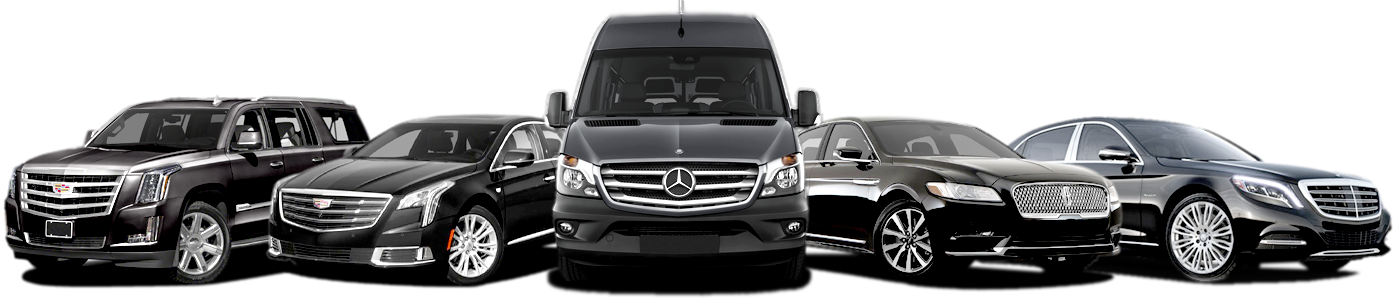
Think about the entire load: passengers, child seats, carry-ons, checked bags, strollers, and any mobility equipment. A sedan may be suitable for two adults and one child with light luggage. A family with three children, three safety seats, and airport bags may need an SUV or van. Requesting the right vehicle at booking is usually easier than trying to change it at pickup.
If you need multiple child seats, ask for confirmation that all requested seats can be accommodated in the same vehicle. Seating positions and vehicle configurations can affect what is possible. A direct confirmation helps avoid surprises when you arrive.
Confirm Your Request Before Travel Day
After submitting your booking, review the confirmation carefully. Check the pickup date, time, location, passenger count, vehicle type, and child-seat request. If the confirmation does not mention the seats you requested, follow up before travel day rather than assuming the note was received.
It is smart to reconfirm close to departure, particularly for an early-morning airport ride, an international arrival, or a large family transfer. Keep your transportation provider’s contact details available while traveling in case of flight delays, terminal changes, or changes to your party size.
FKS Private Transportation can coordinate private rides for airport, hotel, train station, and port travel when child-seat needs are provided with the reservation details. The earlier the request is shared, the better the opportunity to arrange a suitable vehicle for your trip.
A Simple Request Makes Family Travel Easier
Child-seat planning is a small part of booking a ride, but it has a major effect on pickup day. Share the child’s age, size, seat type, luggage needs, and travel details clearly. Then confirm the arrangement before you leave.
That preparation lets your family step into a planned private transfer instead of spending arrival time solving a transportation problem with children in tow.
Leave a Reply