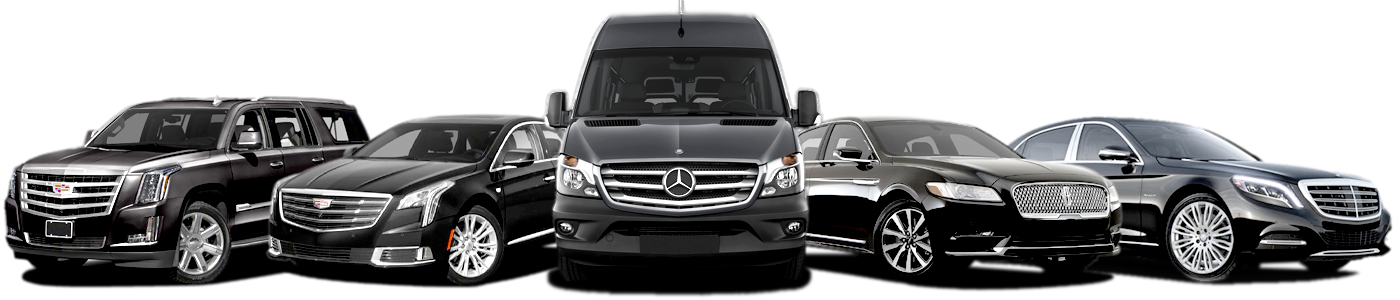
Landing with four suitcases, two carry-ons, and a stroller is not the time to guess whether everything will fit. Can drivers accommodate extra luggage? Often, yes – but only when the vehicle is matched to your group and baggage before pickup. A standard sedan may work well for one or two travelers with normal bags, while families, cruise passengers, and long-stay visitors may need an SUV, van, or larger private transfer.
For airport, hotel, train station, and port transportation, the best approach is simple: provide accurate passenger and luggage details when you book. That gives the transportation provider time to assign a vehicle with enough room and helps avoid delays at pickup.
Can Drivers Accommodate Extra Luggage?
Drivers can usually accommodate extra luggage when the request is made in advance and the right vehicle is available. The main issue is not simply the number of bags. Bag size, passenger count, vehicle type, and special items all affect available space.
For example, two passengers traveling with two large checked bags and two carry-ons may fit comfortably in many sedans. Add golf clubs, a folding wheelchair, oversized boxes, or a child seat, and that same vehicle can become too small. Three or four travelers with full-size suitcases will commonly need an SUV or van rather than a sedan.
Private transportation is booked around your actual trip requirements. When the provider knows what you are bringing, they can plan for cargo space instead of arriving with a vehicle that only fits the passengers.
Why Luggage Details Matter Before Pickup
A driver needs to transport everyone safely and legally. Bags cannot block the driver’s view, take up passenger seating without approval, or be stacked in a way that makes the ride unsafe. This is especially relevant for airport pickups, where travelers may have more luggage than they use for local rides.
Sharing luggage details also protects your schedule. If a vehicle arrives and cannot hold all bags, arranging a second vehicle or changing to a larger option can take time. That may be inconvenient when you are leaving an airport, checking out of a hotel, catching a cruise departure, or traveling to a business meeting.
Clear booking information lets the provider prepare the correct option from the start. At FKS Private Transportation, travelers can request a vehicle based on their passenger count, transfer route, and baggage needs before the ride is scheduled.
Choose the Vehicle Based on People and Bags
Vehicle capacity is a balance between seating and cargo room. More passengers usually means less room for luggage, even in a larger vehicle. A vehicle that seats six people does not automatically carry six people with several large suitcases each.
A sedan is generally best for individuals, couples, or small groups with light to moderate luggage. It can be a practical choice for a hotel-to-airport transfer when each traveler has one suitcase and a carry-on.
An SUV is often a better fit for small families, business groups, or travelers carrying several large bags. SUVs offer more cargo room, but capacity still varies by model. If every passenger has a large suitcase, specify that when booking rather than relying on a general SUV request.
Vans and larger passenger vehicles are typically the right choice for groups, cruise travelers, extended-stay guests, and families with strollers or multiple bags. They are also useful when luggage includes equipment, garment bags, or several oversized pieces.
If you are unsure, it is better to book the larger vehicle or ask for guidance. Paying for more space is usually easier than trying to fit extra luggage into a vehicle that is already full.
Information to Provide When Booking
You do not need a complicated packing inventory. A short, accurate description is enough for most transfer requests. Include your total number of passengers and the number of large checked bags, carry-ons, and personal items.
Mention anything that takes more room than a standard suitcase. This includes strollers, car seats, wheelchairs, walkers, skis, golf bags, musical instruments, sports equipment, boxed items, and pet carriers. If an item cannot fold down or has an unusual shape, say so clearly.
It also helps to provide your pickup location, destination, pickup time, and flight or train details when they apply. Airport arrival information allows the driver and dispatcher to coordinate the transfer around your travel schedule. For port and cruise transfers, tell the provider whether you are arriving or departing and how many bags each traveler will have.
Photos can be helpful when you have unusually large items, but a written description is often enough. The key is to avoid saying “a few bags” when you actually have six large suitcases and several carry-ons.
Extra Luggage Situations That Need Advance Notice
Some trips require more planning than others. International travelers often carry larger cases and may have additional baggage after a long stay. Families can have suitcases, backpacks, strollers, and car seats at the same time. Cruise passengers may bring multiple full-size bags because they are traveling for several days.
Business travelers may need space for trade show materials, presentation cases, product samples, or equipment. Guests moving between hotels or residences may have boxes in addition to standard luggage. These situations are manageable, but they should never be left as a surprise for the driver at the curb.
Oversized baggage deserves special attention. A bicycle case, surfboard, large instrument, mobility device, or several golf bags may require a specific type of vehicle. Not every SUV or van has the same cargo layout. Advance notice gives the transportation provider a chance to confirm whether the item can be accommodated safely.
What Happens if You Have More Bags Than Expected?
Travel plans change. You may buy items during your trip, receive additional bags from a traveling companion, or discover that your airline allows more luggage than expected. If your baggage count changes, contact the transportation provider as soon as possible.
Early notice may allow the booking to be updated to a larger vehicle. Availability depends on the location, time of day, and local fleet, so calling or messaging before the pickup time gives you the best chance of finding a solution.
Do not assume bags can ride on laps, in footwells, or in open areas of the vehicle. Besides being uncomfortable, this can create safety concerns. A second vehicle may be necessary if there is no larger vehicle available, particularly for groups leaving an airport or cruise terminal with heavy luggage.
Avoid Common Luggage Booking Mistakes
The most common mistake is counting only checked bags. Carry-ons, backpacks, purses, laptops, and duty-free purchases also take space, especially when a vehicle is carrying several passengers. Count every item that will travel in the vehicle.
Another mistake is choosing a vehicle by seating alone. A seven-passenger vehicle may have enough seats for seven people but limited luggage space when every seat is occupied. Tell the provider whether the group is traveling with backpacks only or full-size suitcases.
Finally, do not wait until pickup to request a larger vehicle. A driver may be able to help with loading and may have some flexibility, but they cannot create cargo space that is not there. Pre-arranged transportation works best when the trip details are complete before the driver is dispatched.
Plan for a Comfortable Transfer
Extra luggage does not have to make airport or hotel transportation difficult. It simply changes the type of vehicle you need. Give an honest bag count, mention oversized items, and allow enough space for both passengers and belongings.
Before your next transfer, take one minute to count the bags at the door – not just the suitcases in the bedroom. That small step helps your driver arrive prepared and lets you start or finish your trip with room to ride comfortably.
Leave a Reply